Design to code: generating Tailwind UI that ships
Enterprises want pixel-true components without slow handoffs. Here's a pragmatic workflow to turn Figma into production-grade Tailwind, while threading in billing and invoicing module AI, donation platform builder AI, and rigorous governance and security for no-code pipelines.
Set the contract: tokens, variants, semantics
- Provide a token sheet the model can use: spacing, radii, colors, and shadows mapped to Tailwind classes (for example, primary = bg-primary-600 hover:bg-primary-700).
- Define component variants up front (Button: solid, ghost, destructive; Badge: success, warning, info) and require generated props over ad hoc classes.
- State accessibility musts: focus-visible rings, aria-* hooks, 44px targets, semantic landmarks, color contrast ≥ 4.5:1.
- Share minimal data shapes so tables, cards, and skeletons mirror reality.
Prompt patterns that work
Give constraints before visuals: "Use Tailwind v3, mobile-first, dark: variants, prefers-reduced-motion, no arbitrary values, md: container, grid over absolute." Ask for React JSX plus a test id per region.
- Require class reuse via
@applyonly in a.components.csslayer to avoid bloat. - For iconography, demand slots (
<Icon />) instead of fixed SVG to maintain brand systems. - Have the model emit a
safelistfor dynamic classes used by billing and invoicing module AI or donation tiers.
Case study: billing and invoicing UI
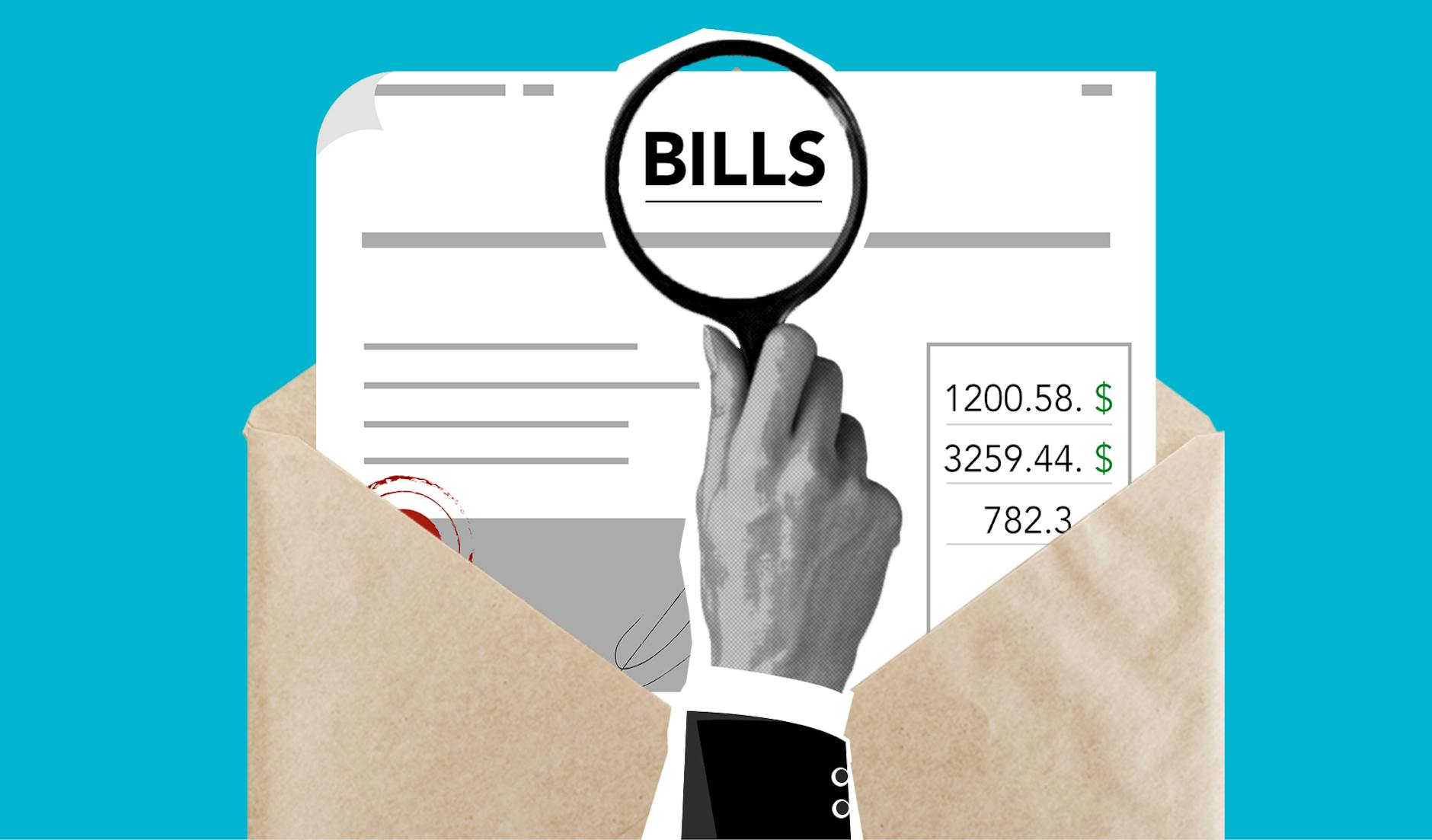
We asked an assistant to generate an InvoiceTable: sticky header, status pills, and row actions. Outcome: clean markup, keyboardable menus, and a 21% smaller bundle than a UI kit clone.
- Status pill classes:
bg-emerald-100 text-emerald-700 dark:bg-emerald-400/10for "Paid"; warning and danger variants included. - Empty state with illustration slot and
sr-onlytext for screen readers. - Currency rendered with Intl.NumberFormat; API errors surfaced in a non-blocking toast with
role="status".
Case study: donation platform flows
Using donation platform builder AI, we generated tier cards, a secure checkout, and a tax receipt modal. The AI produced responsive stacks and sensible defaults.
- Tiers: buttons using
data-state=selectedand Tailwind peer variants to reflect choice. - Trust signals: PCI copy, lock icon slot, and link to policy; Apple Pay and ACH buttons as optional slots.
- Fraud cues: "name similarity" and velocity flags surfaced in a review drawer for ops teams.
Governance, security, and scale
For governance and security for no-code, treat generation as a pipeline.
- Policy-as-code: lint prompts and outputs; ban disallowed classes; enforce content-security-policy compatible patterns.
- Component registry: version every artifact, require approvals, and keep an audit trail tied to pull requests.
- Security gates: PII redaction in prompts, secret scanning, and SBOM of dependencies referenced in snippets.
- Performance budgets: block diffs that worsen CLS or bundle size; purge with an allowlist from the emitted safelist.
Final checklist
- React component with typed props and slots.
- Storybook story with a11y tests and contrast assertions.
- Playwright flows for pay and donate.
- Design tokens diff.