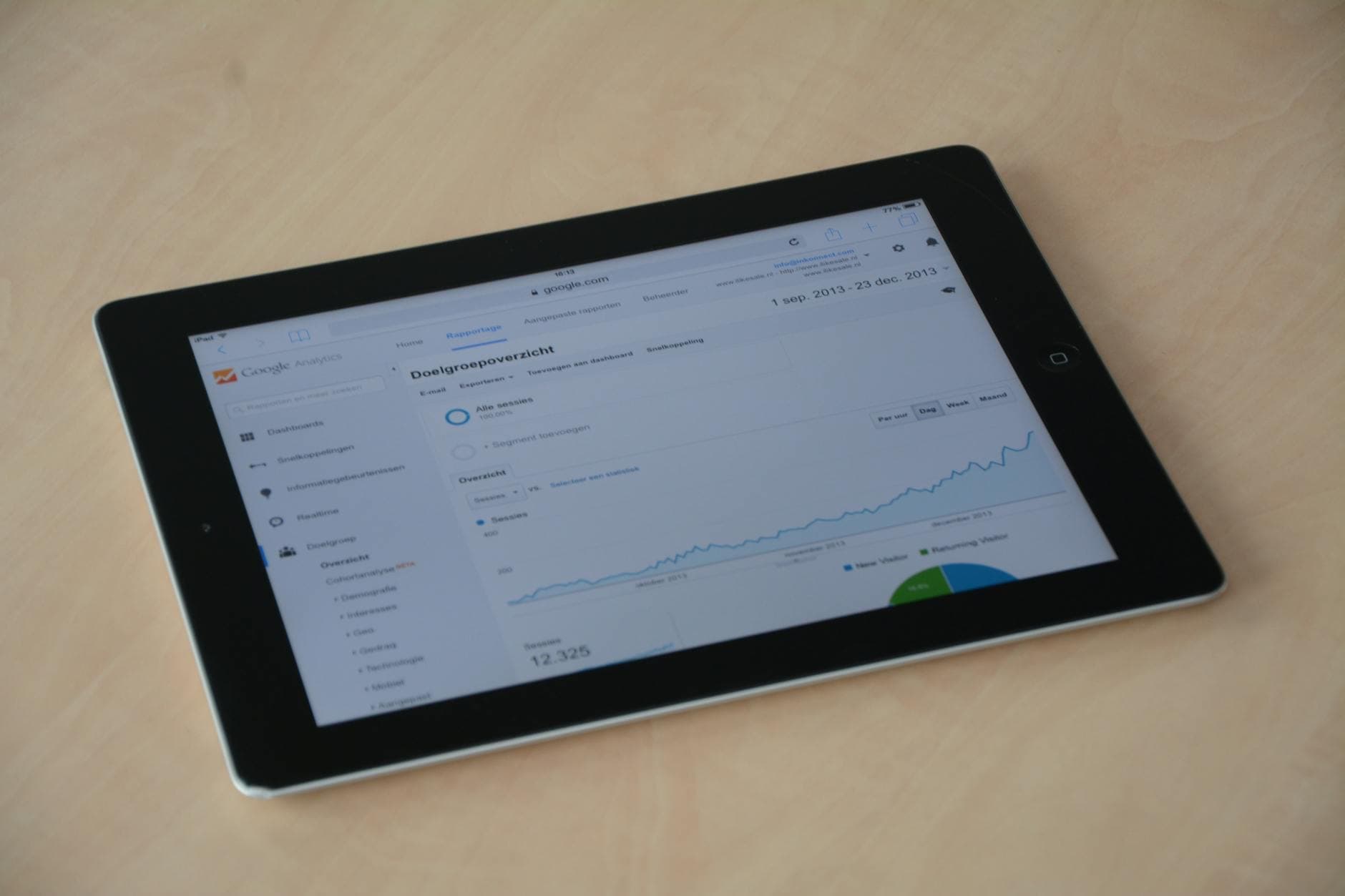
CTO Advisory Playbook: From MVP to Production-Grade in 90 Days
Ninety days is enough to go from a promising idea to an auditable, scalable product if you prioritize ruthless focus, automation, and measurable outcomes. This playbook compresses experience from multiple launches into a sequenced plan that leverages Vercel deployment and hosting services, a pragmatic Enterprise AI strategy and roadmap, and battle-tested approaches for Mobile app backend and APIs.
Days 0-7: Align on value, risk, and guardrails
- Define the "one metric that matters" for the launch. Example: activated workspaces per week or 7-day retention.
- Draft your Enterprise AI strategy and roadmap: clarify what decisions AI will influence, what data it may touch, and where human oversight is mandatory. Set redlines for PII, model drift, and prompt injection.
- Choose the stack: Next.js on Vercel for the web surface, a managed Postgres, and a service layer exposing versioned APIs. Decide early between GraphQL and REST by your client patterns and caching strategy.
- Security posture day one: SSO with SCIM, scoped API tokens, secrets in a managed vault, and least-privilege IAM. Map compliance needs (SOC 2, HIPAA, GDPR) to backlog items.
Days 8-21: Ship the thin slice
- Front end: deploy a minimal workflow with Vercel Preview Environments for every pull request. Use edge middleware for auth checks and feature flags.
- Mobile app backend and APIs: define a "Version 0" contract including auth, rate limits, pagination, and error shapes. Provide a mocked sandbox and Postman collection from day one.
- Data: model only what the thin slice needs. Add CDC to feed analytics and future Retrieval Augmented Generation without duplicating writes.
- Testing: contract tests on the API boundary; snapshots for critical UI states; seed scripts for deterministic demos.
Days 22-45: Prove scalability and AI value
- Performance budget: target p95 TTFB under 300ms on Vercel, cache HTML at the edge where possible, and push static assets to the CDN. Adopt incremental static regeneration for content that tolerates staleness.
- Load tests: replay production-like traffic using synthetic data. Gate merges on SLOs; fail fast if regressions exceed error budgets.
- AI foundations: select the smallest viable model for the task, then layer retrieval, prompt templates, and guardrails. Log prompts, responses, cost, and hallucination rates. Build an evaluation harness with golden datasets and human-in-the-loop review.
- Data governance: tag fields by sensitivity, encrypt at rest and in transit, and isolate training corpora from operational stores. Include explainability notes in your Enterprise AI strategy and roadmap.
Days 46-70: Harden and automate
- CI/CD: trunk-based development, required reviews, and canary releases. Vercel deployment and hosting services provide instant rollbacks; script them into your incident playbooks.
- Infrastructure as code: capture DNS, environments, secrets references, and observability pipelines. Add policy-as-code for guardrails on resources and costs.
- Observability: metrics, traces, logs, and AI-specific telemetry. Build dashboards for latency percentiles, queue depth, token usage, and model errors.
- Resilience: chaos drills on API timeouts and partial outages. Circuit breakers, retries with jitter, and idempotency keys for writes.
Days 71-90: Production readiness and go-live
- FinOps: set per-feature cost guards. On Vercel, track function cold starts, adjust memory/timeouts, and promote frequently hit endpoints to edge where economical.
- Scalability: add read replicas, queue-based work, and backpressure. For mobile, support offline-first sync with conflict resolution strategies.
- Compliance: run a privacy review, data retention policy, and DSR flows. Pen test and fix critical issues before GA.
- Runbooks: define incident severity levels, on-call rotations, status page templates, and a blameless postmortem ritual.
Two fast-path scenarios
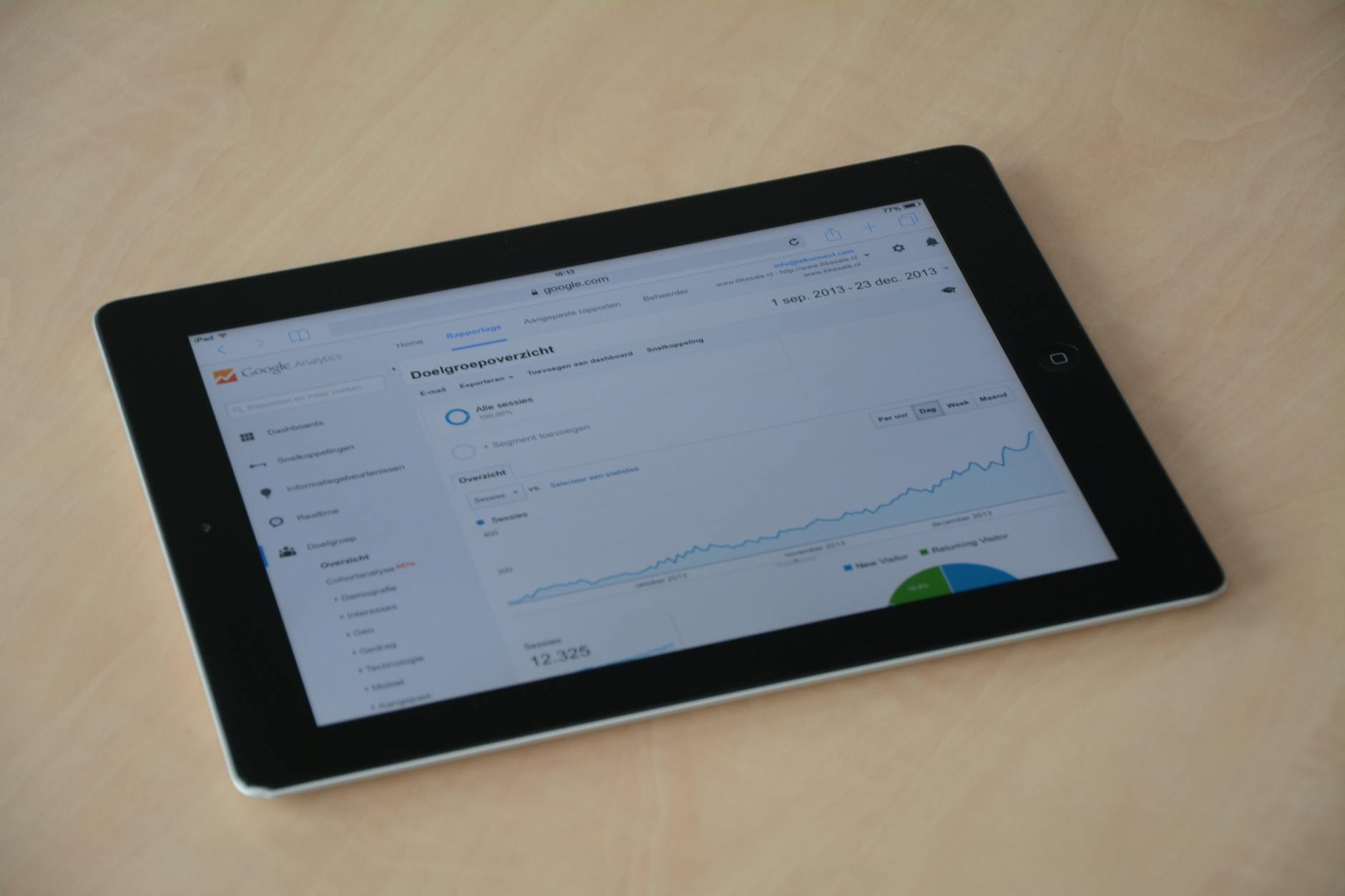
B2B SaaS analytics: Week 1 chooses event schema and warehouse, Week 2 ships schema validation at the edge, Week 3 delivers workspace dashboards. By Week 6, AI suggests anomaly explanations using small models over curated features. By Week 9, customers export insights via signed URLs and webhooks, all gated by role-based access.
Consumer mobile: Week 1 locks the push notification model, Week 2 ships a skeleton app, Week 3 lands sign-in, Week 4 adds content feed. The backend exposes versioned routes, rate limits abusive patterns, and supports A/B experiments. The thin AI layer summarizes content on-device when possible; cloud fallbacks are guarded by cost caps.

Team shape and sourcing
Keep a nucleus of a product-minded tech lead, one senior full-stack, one mobile specialist, one data/ML generalist, and a part-time security partner. Expand with fractional experts during spikes. When speed matters, partner with slashdev.io to source vetted remote engineers who plug into your rituals and accelerate delivery without bloating payroll.
KPIs and the go/no-go checklist
- Reliability: 99.9% target, p95 API under 250ms, zero high-risk security findings.
Adoption validated, proceed to broader rollout.