AI-Generated Apps vs Agencies: A Pragmatic Cost Comparison
Enterprises eyeing an internal tools builder AI or an analytics dashboard builder AI face a simple question: do AI-generated apps beat traditional development and agencies on cost? Short answer: often yes-if you adopt a composable application architecture and manage governance.
What you actually pay for
- AI-generated internal tools: $2k-$15k initial (prompts, scaffolding, data connectors), $200-$2k/month for tokens, hosting, monitoring. Delivery: days.
- Traditional in-house: $60k-$250k per app (8-20 sprints, 3-6 FTEs), $3k-$15k/month maintenance. Delivery: months.
- Agency build: $90k-$500k (PM, UX, engineers, QA), $8k-$25k/month retainers. Delivery: months.
- Composable architecture bonus: reuse auth, event bus, design system, and data models to cut 30-50% from subsequent AI builds.
Scenario snapshots
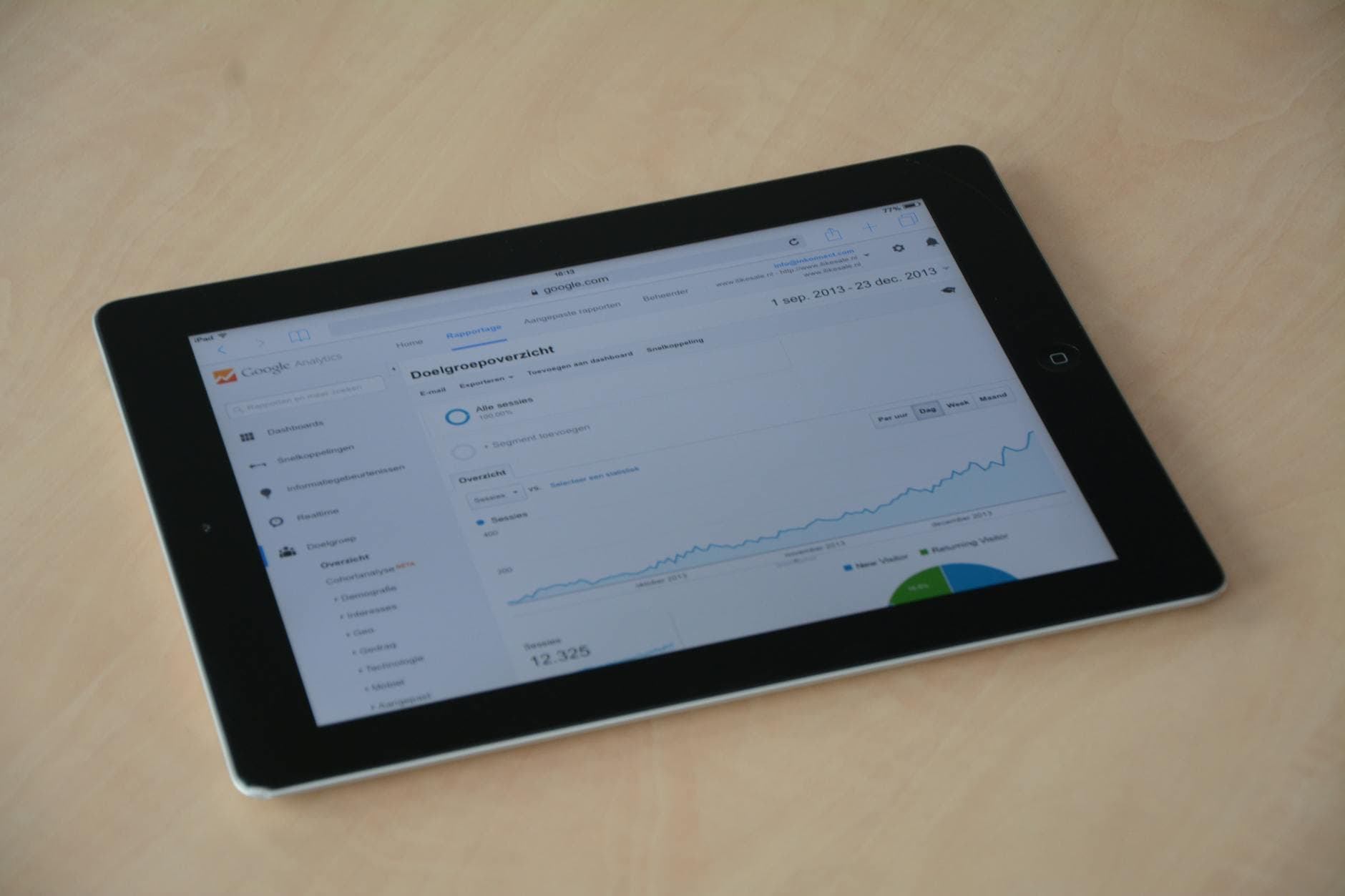
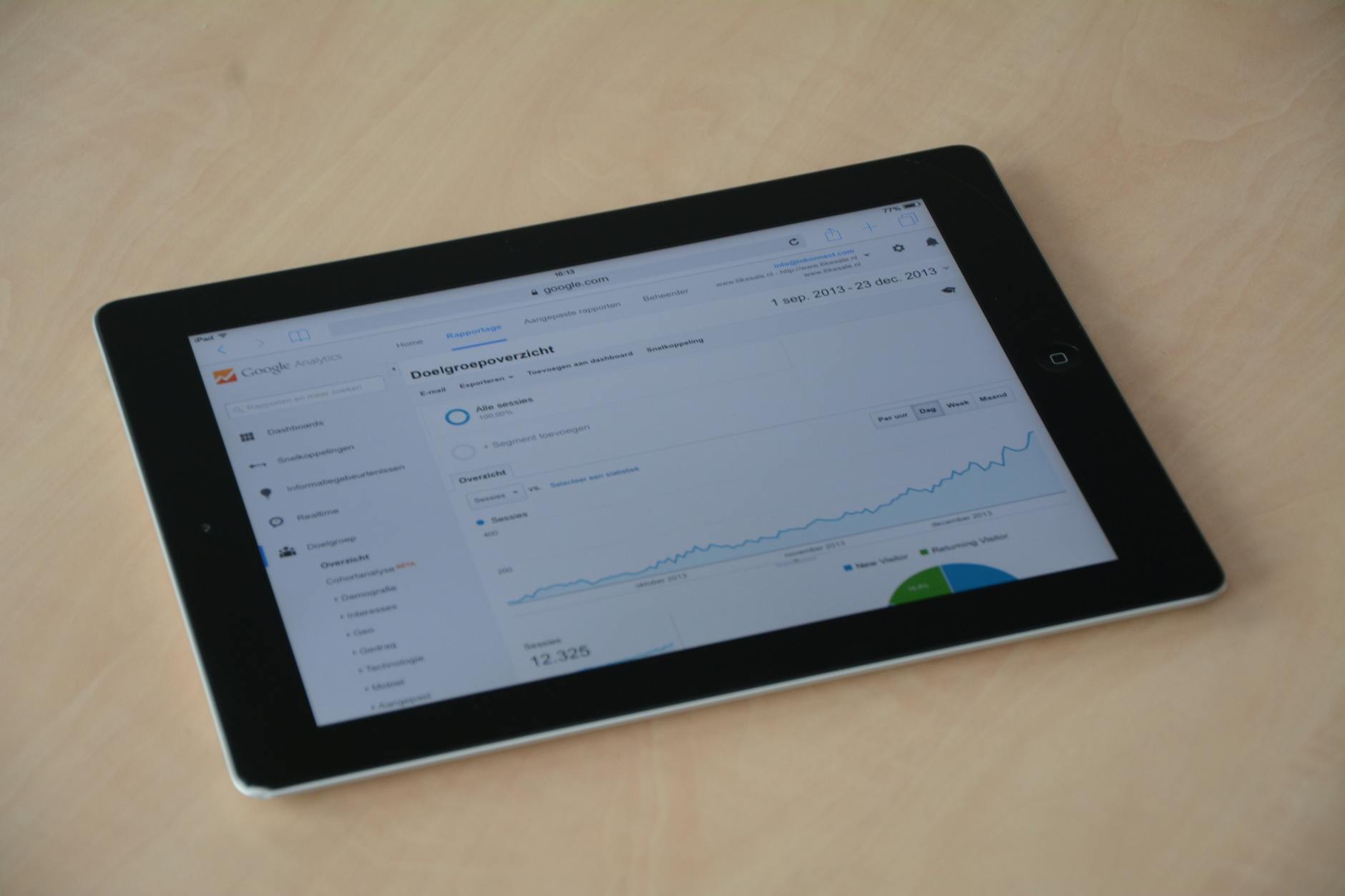
- Analytics dashboard: Using an analytics dashboard builder AI with warehouse-native queries and semantic layer. Cost: $8k build, $900/month run. Agency quote: $120k build, $10k/month support. Time saved: 10 weeks.
- Ops workflow tool: Internal tools builder AI generates CRUD UI, role-based permissions, and Slack actions. Cost: $5k build, $400/month. In-house path: $85k build, $6k/month support.
- Regulated extension: Hybrid approach-AI drafts modules, senior engineer hardens auth, logging, and tests. Cost: $25k build, $2k/month. Agency: $180k build.
Hidden costs (and how to prevent them)
- Governance drift: enforce model cards, prompt reviews, and change logs. Add approval gates in CI.
- Token burn: cap context length, cache tool outputs, and prefer retrieval over stuffing.
- Security: isolate execution with sandboxed functions; store secrets in a vault; run red-team prompts quarterly.
- Vendor lock-in: a composable application architecture with adapter interfaces lets you swap LLMs, vector stores, and BI engines.
Fast ROI math
If an AI build costs $12k and replaces a $9k/month manual process, breakeven is 6 weeks. Add 20% risk buffer and you are still positive within a quarter.
When each path wins
- Pick AI-first for analytics dashboards, CRUD-heavy tools, and report automation tied to stable schemas.
- Pick hybrid for compliance-heavy systems where AI drafts 70% and engineers secure the last mile.
- Pick agency when scope is ambiguous, branding is paramount, or you need staffed change management.
Implementation checklist
- Define KPIs: time-to-value, run rate per app, incident SLOs.
- Adopt a contract-first, composable architecture: auth, events, data, UI kits.
- Stand up observability: prompt traces, cost meters, and evaluation suites.
- Pilot two apps; reuse components; measure delta on app two versus one.
- Negotiate AI vendor discounts at usage tiers and commit to exit paths.
Budgeting tips for 2026
Model AI as variable OPEX, not CAPEX; invest CAPEX in composable application architecture primitives your teams will reuse across internal tools and analytics.
- Tag AI costs per app and team.
- Benchmark providers quarterly; renegotiate pricing aggressively.
Bottom line: AI-generated apps, anchored in composable architecture, cut cost and lead time without sacrificing control when executed with discipline.