Blueprint: Integrating LLMs into Enterprise Applications
Enterprises don't need more demos-they need repeatable patterns that ship. Here's a pragmatic blueprint to integrate Claude, Gemini, and Grok into production systems without derailing roadmaps, tailored for teams running C# .NET application development at scale.
Architecture at a Glance
Think "LLM as a capability," not a feature. Build a vendor-neutral layer your apps call through a consistent contract, then compose capabilities around it:
- LLM gateway: a facade exposing chat, function-calling, embeddings, and evaluation; routes to Claude, Gemini, or Grok by policy.
- Retrieval: a vector store (Azure AI Search, Pinecone) plus document loaders and chunkers; implement domain schemas and metadata filters.
- Tooling: deterministic functions (pricing, inventory, CRM lookups) invoked via model function-calling with strict schemas.
- Safety: PII redaction, prompt hardening, output validation, and model-specific guardrails.
- Caching: semantic and response caching to cut latency and cost; configure TTL per endpoint.
- Observability: trace prompts, tokens, costs, latencies, and outcomes; store test fixtures for regression evaluation.
Data and Risk Controls
LLMs magnify governance gaps. Close them with policy in code:
- Zero-retention endpoints: choose vendor settings that disable training on your data; verify with DPA addendums.
- Tiered data: public, internal, restricted; gate retrieval indices by class and encrypt restricted chunks at rest.
- Prompt hashing: store hashes, not full prompts, for sensitive flows; keep decryptable copies in a secure vault for audits.
- Output constraints: use JSON Schemas and post-generation validators; reject non-conformant outputs.
- Red team suites: adversarial prompts per business process; run nightly against build artifacts.
Implementation Steps for C# .NET
Ground the design in pragmatic stages your platform can absorb:
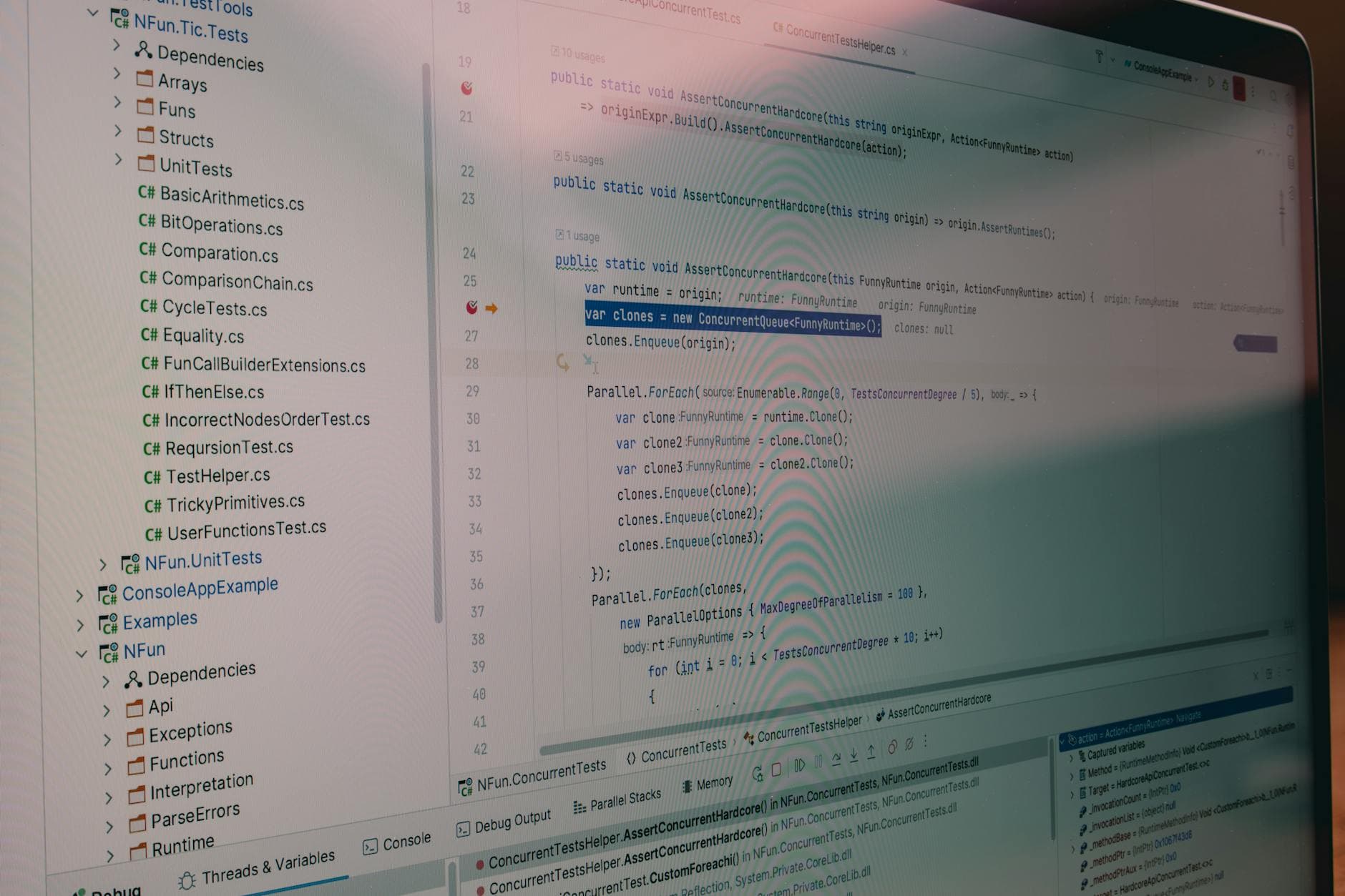
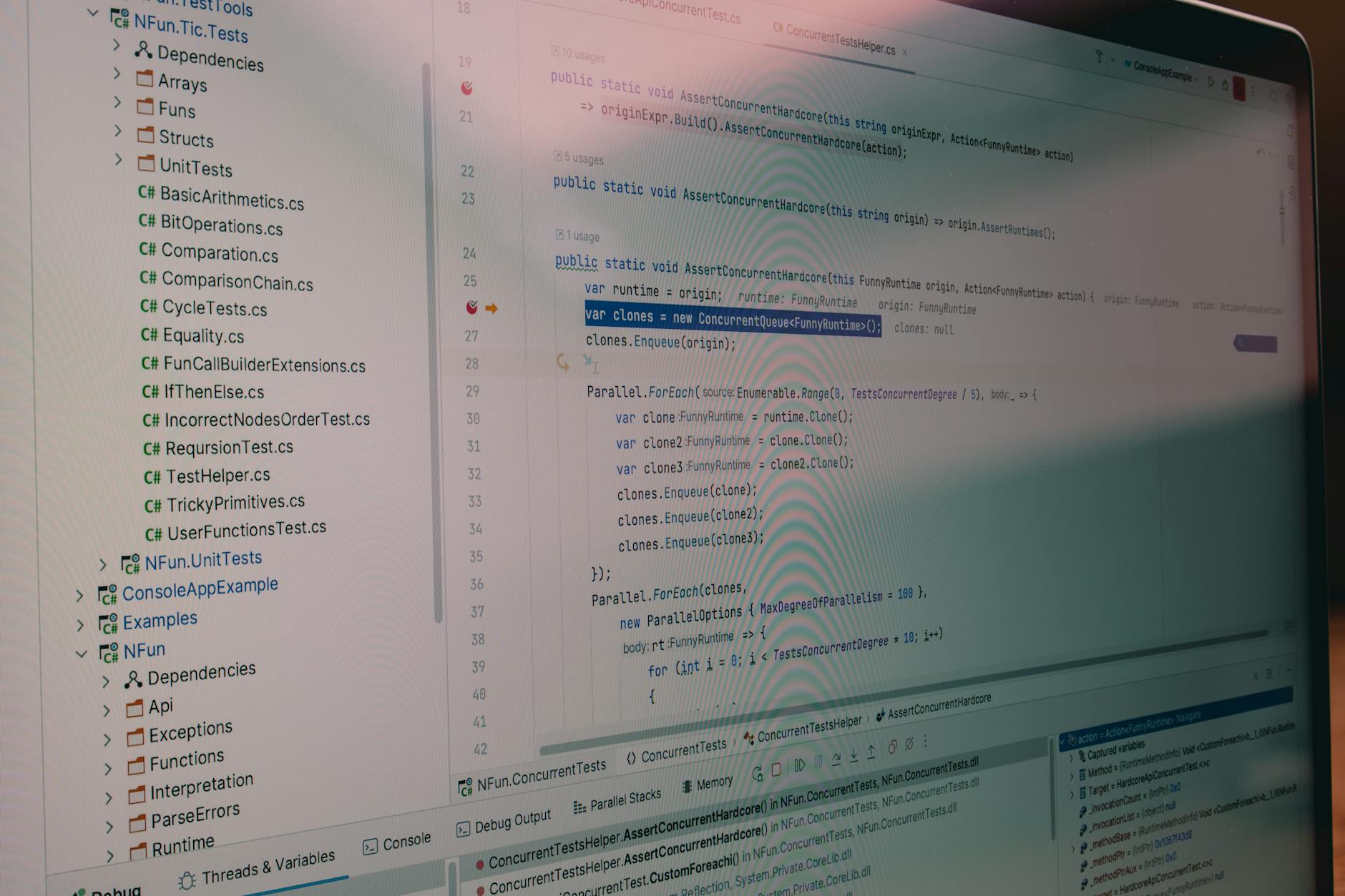
- Step 1: Abstraction. Define ILLMClient with methods for ChatAsync, EmbedAsync, and InvokeFunctionAsync. Implement adapters for Claude, Gemini, and Grok; select via feature flags.
- Step 2: Retrieval. Build a Retriever service that chunks PDFs, HTML, tickets, and code; index with embeddings; include metadata like business unit, jurisdiction, and retention.
- Step 3: Guarded prompts. Create typed prompt templates with placeholders (user, policy, tools, constraints). Centralize in a repository; version them with semantic tags.
- Step 4: Function calling. Define C# records that map to tool signatures. Enforce input validation and timeouts; run tools in a sandbox with least privilege.
- Step 5: Observability. Integrate OpenTelemetry; tag spans with model, version, token counts, feature, and user role.
- Step 6: Evaluation. Build an offline harness that replays datasets (inputs, ground truth, guard expectations) across models; publish scorecards to stakeholders.
AI Agent Development Patterns
Start with thin agents that orchestrate tools, then scale sophistication as KPIs justify it:

- RAG-first agent: retrieves, plans, cites sources, and refuses unsupported tasks. Use chain-of-thought internally but strip it from logs.
- Planner-executor: the model decomposes tasks into tool calls; cap steps (e.g., max 5) and include a "stop" heuristic on low confidence.
- Supervisor pattern: a small coordinator model chooses which specialist (analysis, extraction, generation) to invoke; log routing decisions.
- Human-in-the-loop: require approval on high-risk actions (refunds, policy changes); present diffs, citations, and confidence scores.
Model Selection: Claude, Gemini, Grok
Choose by job-to-be-done, not hype:

- Claude: strong reasoning, long context, careful tone. Ideal for policy-heavy workflows, contract analysis, and support assistance.
- Gemini: powerful multimodal (images, video), Google stack alignment. Fits marketing asset generation, analytics narratives, and doc QA with images.
- Grok: fast, edgy, real-time flavor. Useful for rapid triage, developer assistants, and alert summarization where speed matters.
Benchmark on your datasets. Use the gateway to A/B route 10% of traffic; promote models that win on accuracy, latency, and cost-per-correct.
Operations, Monitoring, and Cost
- Latency budgets: set SLOs (p95 under 1.5s for read paths). Use caching, smaller models for trivial steps, and streaming UIs.
- Cost controls: cap tokens per turn, compress context with dense summaries, and dedupe documents before indexing.
- Drift watch: weekly evaluation runs; alert on more than 5% degradation in accuracy or refusal rates.
- Incident playbooks: fallback models, cached answers, and "safe mode" disabling tools while keeping retrieval online.
Build vs Augment Talent
Speed is strategic. Blend internal product ownership with external expertise. IT staff augmentation providers can supply rare skills (prompt engineering, vector indexing, eval rig design) while your team owns domain logic and security. If you need vetted specialists quickly, slashdev.io provides excellent remote engineers and software agency expertise to help startups and enterprises turn ideas into durable systems.
Case Snapshots
- Global manufacturer: RAG agent for service manuals using Claude; 38% faster resolutions, citations required for every answer, p95 1.2s with caching.
- Retail marketing: Gemini multimodal pipeline tags product images, drafts SEO copy, and localizes to 8 languages with human QA; 55% content throughput lift.
- Fintech ops: Grok agent triages alerts, proposes remediation playbooks, and opens tickets via function calls; reduced on-call noise by 30% without policy drift.
Checklist to Ship in 90 Days
- Week 1-2: Define gateway interface; pick two models; stand up embeddings and index 10k docs.
- Week 3-4: Implement guarded prompts and two tools; add OpenTelemetry and cost dashboards.
- Week 5-6: Launch pilot to 50 users; A/B model routing; collect qualitative feedback.
- Week 7-8: Harden safety, add approval flows, and expand retrieval sources.
- Week 9-12: Productionize SLAs, incident playbooks, and quarterly evaluation suites.
Treat LLMs as evolving infrastructure. With a gateway, disciplined retrieval, tool governance, and measurable evaluation, AI agent development becomes a repeatable competency inside your C# .NET application development stack-augmented as needed by the right partners to move faster and safer than your competitors.