Build Internal Tools 10x Faster with AI Scaffolding
AI scaffolding turns fuzzy requirements into working foundations-models, APIs, UIs, tests-before lunch. Instead of starting from an empty repo, you orchestrate an internal tools builder AI that infers structure, generates conventions, and leaves only the 20% that truly needs human judgment.
Start with outcome-first prompts
Write a one-page PRD the AI can parse. Include scope edges and acceptance criteria.
- Entities and relationships: "Invoice has many LineItems; currency ISO-4217."
- User roles and RBAC: "Ops can refund up to $500; finance approves above."
- API surface: OpenAPI or GraphQL schema, including error shapes.
- KPIs: time-to-resolution, refund leakage, audit completeness.
Generate reliable scaffolds
Use a fullstack builder AI to synthesize consistent layers:
- Data: migrations, seed data, idempotent scripts, PII tagging.
- Service: typed clients, retries, circuit breakers, rate limits.
- UI: form and table primitives with a11y, pagination, optimistic updates.
- Tests: golden snapshots, contract tests against mock servers.
Feed it your ESLint rules, design tokens, and security policies so defaults match production reality.
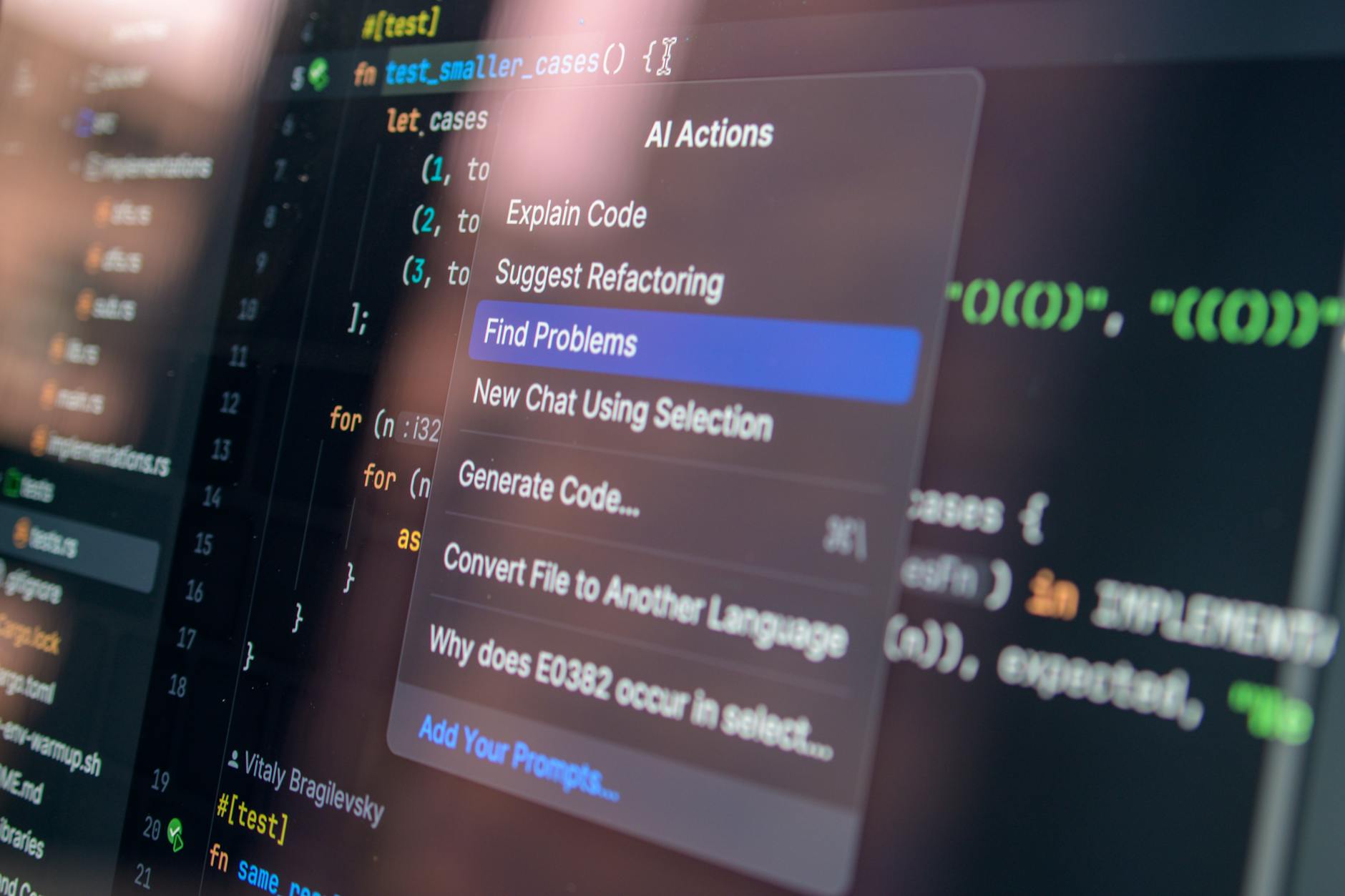
A repeatable pipeline
- Model: derive JSON Schema from PRD; enforce with Zod or TypeBox.
- API: emit REST and GraphQL in parallel; generate SDKs per language.
- AuthZ: policy-as-code (Cedar/Oso) templates with least-privilege baselines.
- Infra: IaC modules (Terraform/Pulumi) with cost budgets and tags.
- Observability: log, trace, and SLO stubs wired to your platform.
Proof it with three fast wins
- Finance Ops Dashboard: 2 days not 3 weeks; CSV ingest, anomaly flags, approval queues. Saved 40 analyst hours/month.
- Support Reassignment Bot: one afternoon; triggers on stuck tickets, rebalances by skills, explains decisions in Slack threads.
- Engineer Portfolio Hub: using a portfolio website builder AI, assemble auto-updating project pages fed by repos and incidents; handy for audits and promotions.
Guardrails that scale
- Human-in-the-loop reviews with diff-aware prompts; block merges on schema drift.
- Static analysis for secrets, SBOM generation, and license policy checks.
- Red-team the prompt supply chain; sign artifacts, verify at deploy.
Adoption playbook
Pick an internal tools builder AI for CRUD-heavy work, then wrap it with a fullstack builder AI for end-to-end consistency. Start with one golden path template, measure, and broadcast wins.
Measure the real ROI
- Lead time from PRD to first demo.
- Defect escape rate per module.
- Reusability: components promoted to the design system.
- Cloud spend per feature and idle cost reclaimed.
Ship scaffolds, not spaghetti. Your team keeps creativity; the AI handles ceremony. That's how you get 10x faster without 10x risk.
Integration tips
- Pin toolchain versions; regenerate when major changes land.
- Map legacy IDs early; write deterministic migration scripts.
- Expose health and readiness probes from day one.
- Template incident runbooks alongside generated services.
- Cache AI outputs; diff prompt/input pairs to track drift.
- Instrument feature flags; stage rollouts, gather feedback, track user satisfaction scores continuously.