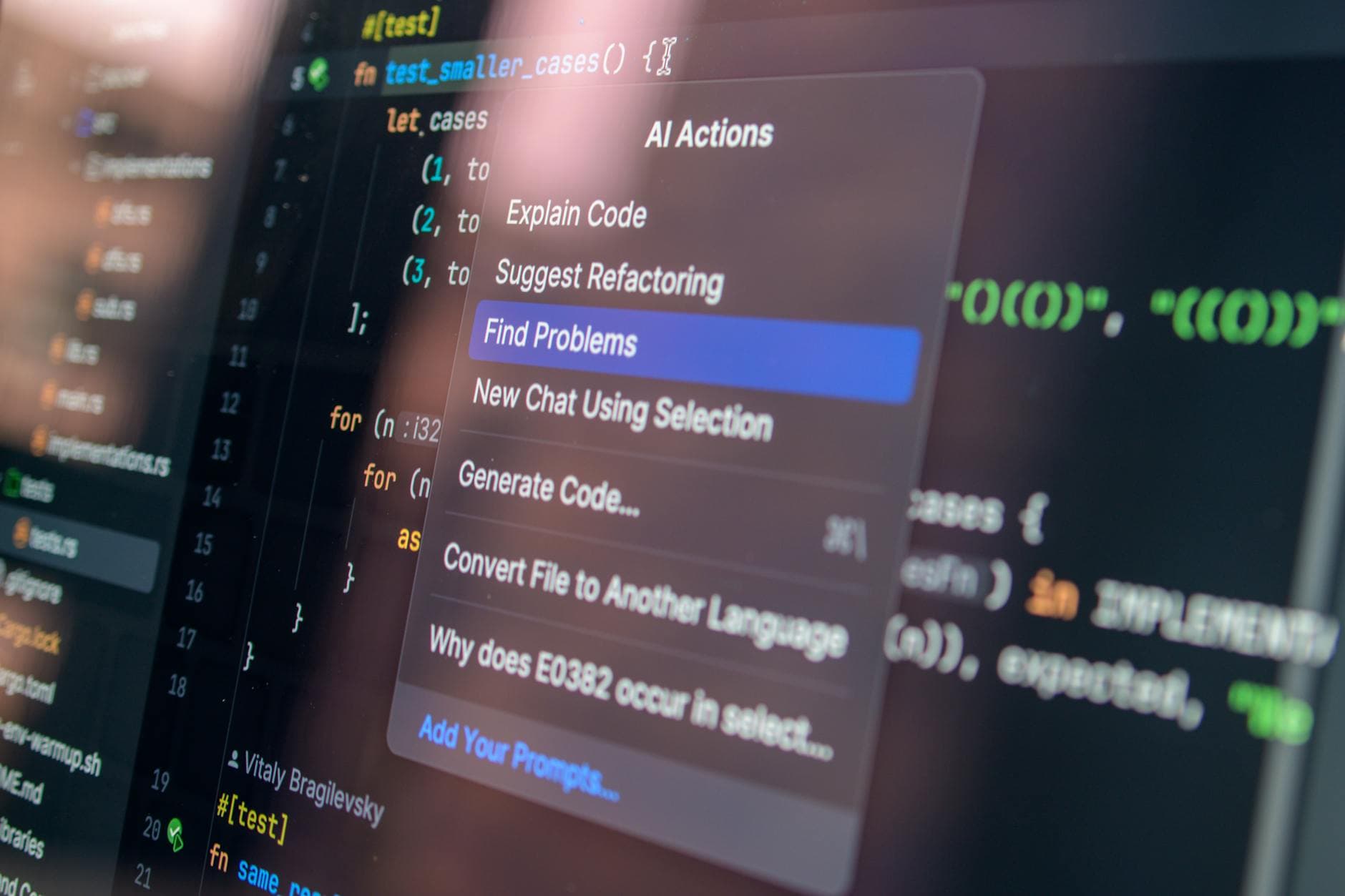
Build Internal Tools 10x Faster with AI Scaffolding
Internal tools usually stall on specs, boilerplate, and wiring. AI scaffolding flips that: feed a crisp contract, get a runnable baseline with routes, schema, access control, tests, and dashboards in minutes. Instead of weeks of glue work, your team spends its time on the 20% that differentiates your business. Below is a field-tested playbook that blends CI/CD setup for AI-generated projects, performance optimization for AI-generated code, and a pragmatic use of a customer portal builder AI to ship secure, scalable tools at enterprise speed.
Anchor everything on contracts
Write an OpenAPI spec and a data model first. Add role matrices and rate limits as machine-readable annotations. Prompt your scaffolder with these artifacts, not prose. In return, you'll get typed endpoints, seed migrations, RBAC middleware, and golden tests. Lock the spec with Git tags; any change must come via RFC. This keeps AI generations consistent and prevents "creative" drift that explodes maintenance later.
Scaffold recipe that actually ships
- Inputs: OpenAPI, JSON Schemas, sample payloads, feature flags, and access rules.
- Generation: Use a gated prompt chain to create service stubs, UI shells, infra as code, and test fixtures.
- Wiring: Auto-register routes, telemetry, and auth; generate make targets for dev.
- Review: Static analysis, type checks, and golden test approval in a short-lived PR.
- Spin: Ephemeral preview env per PR with seeded data for product signoff.
CI/CD for AI-generated code that won't surprise you
Design your CI/CD setup for AI-generated projects to treat the model like a junior engineer. Gate merges with: policy checks (no secrets, no PII logging), reproducible test seeding, contract tests from the spec, and prompt-change diffs. Pin toolchains; cache embeddings and codegen outputs to avoid flaky deltas. Add a nightly job that replays prompts against head and alerts on drift. Deploy via canary with feature flags and automatic rollback on SLO breach.
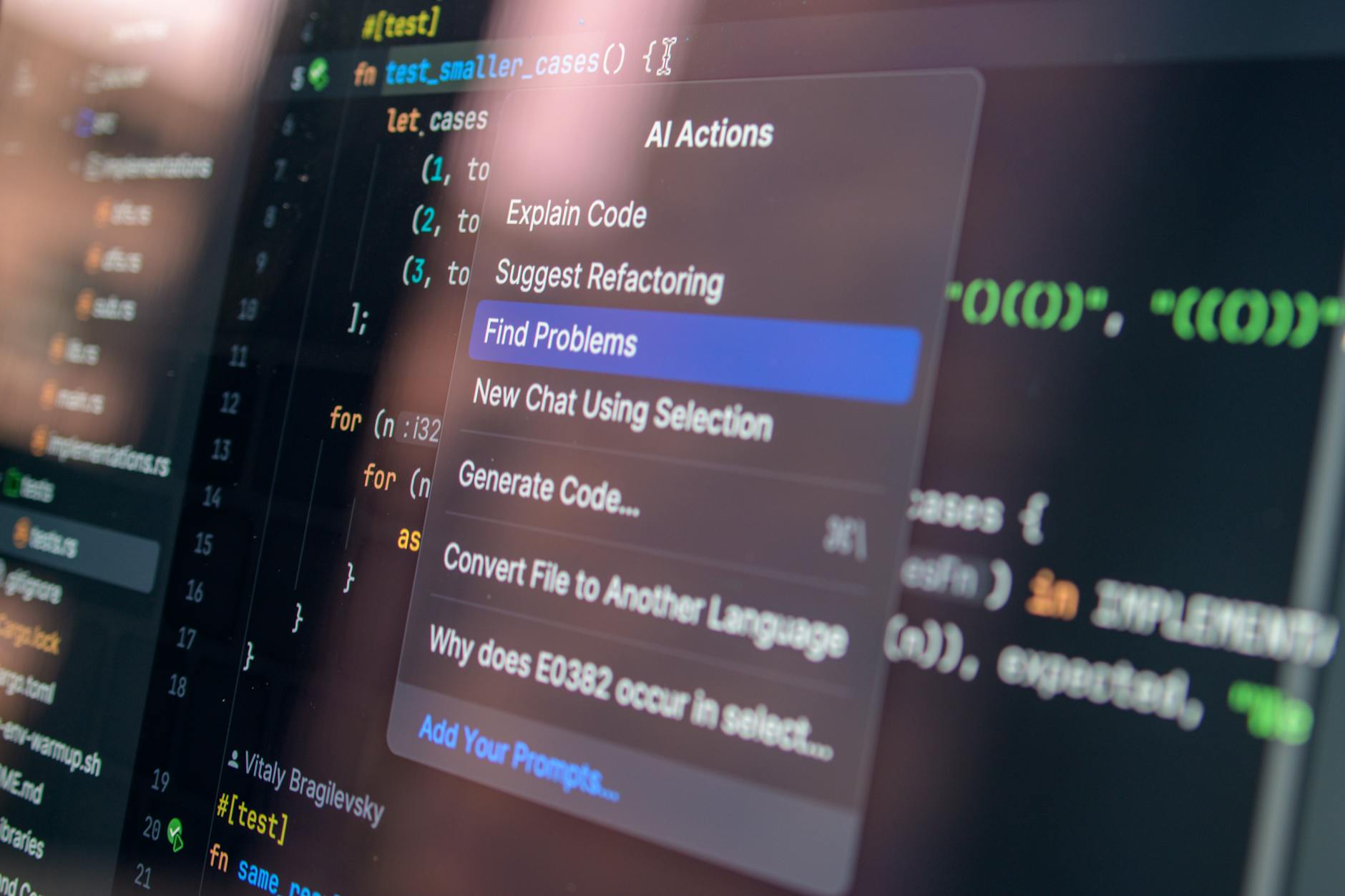
Performance optimization for AI-generated code
Assume scaffolds are correct, not fast. Profile first request paths with production-like data. Cull N+1 queries, batch external calls, and switch hot loops to vectorized libs. Add caching hints in prompts so regeneration preserves them. Enforce time budgets in tests (e.g., 95th percentile under 200 ms for read endpoints). For Python/Node, prefer typed DTOs and precompiled templates; for Go/Java, verify goroutine/thread pools under load. Keep perf dashboards in the scaffold so every service ships observability.
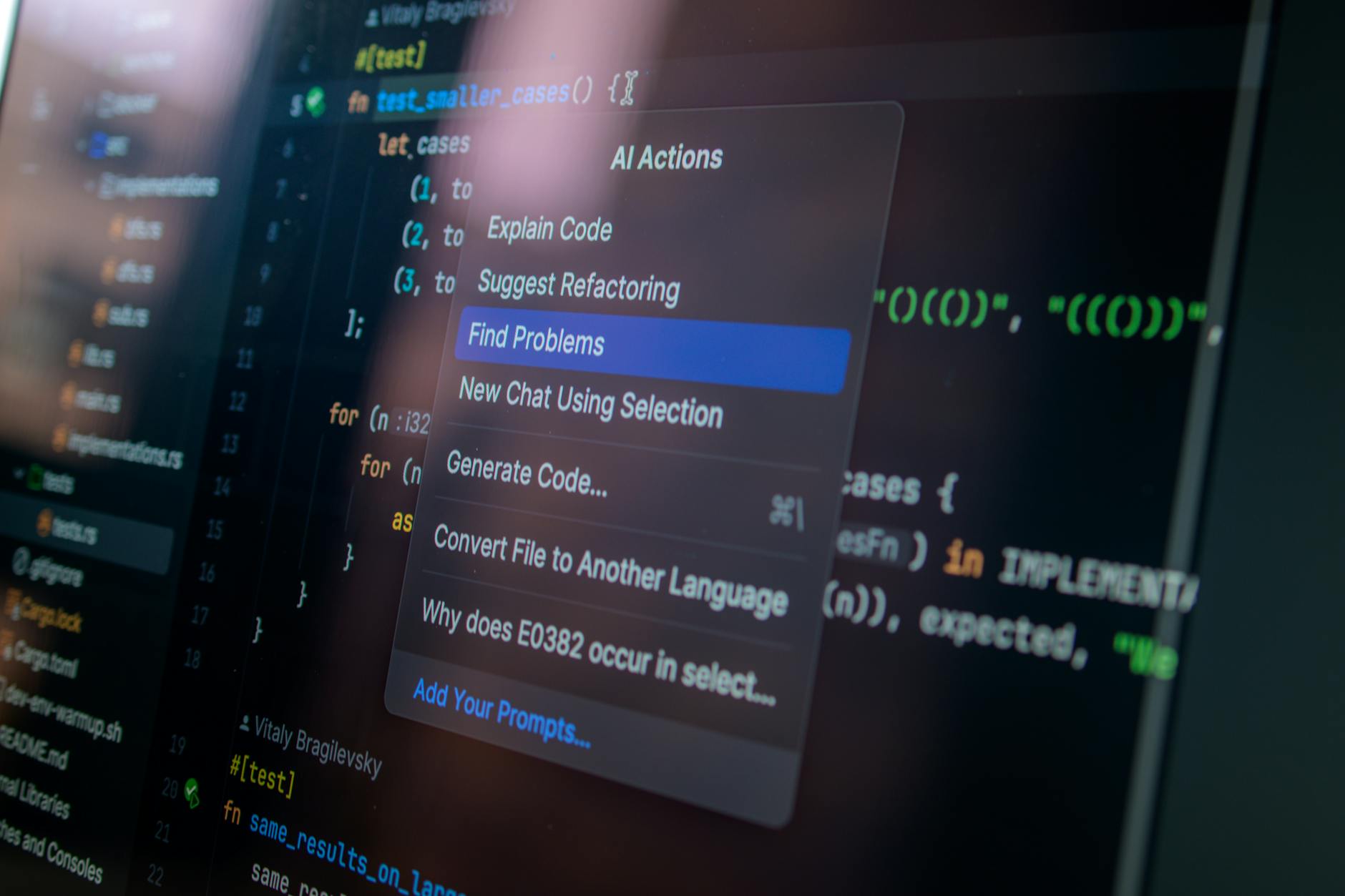
Case study: 2-day customer portal with builder AI
An enterprise support team needed a role-based portal for SLAs, invoices, and ticket escalation. Using a customer portal builder AI, we fed the spec, sample contracts, and branding tokens. Day 1 produced auth, account pages, invoice APIs, and a React shell with SSO. CI caught a PII log and a failing contract test; fixes regenerated in minutes. Day 2 handled perf: cached invoice summaries, batched ticket lookups, and a 180 ms p95. We shipped behind a canary flag to 10% accounts.
Start small. Ship daily.